What AI does with your call notes
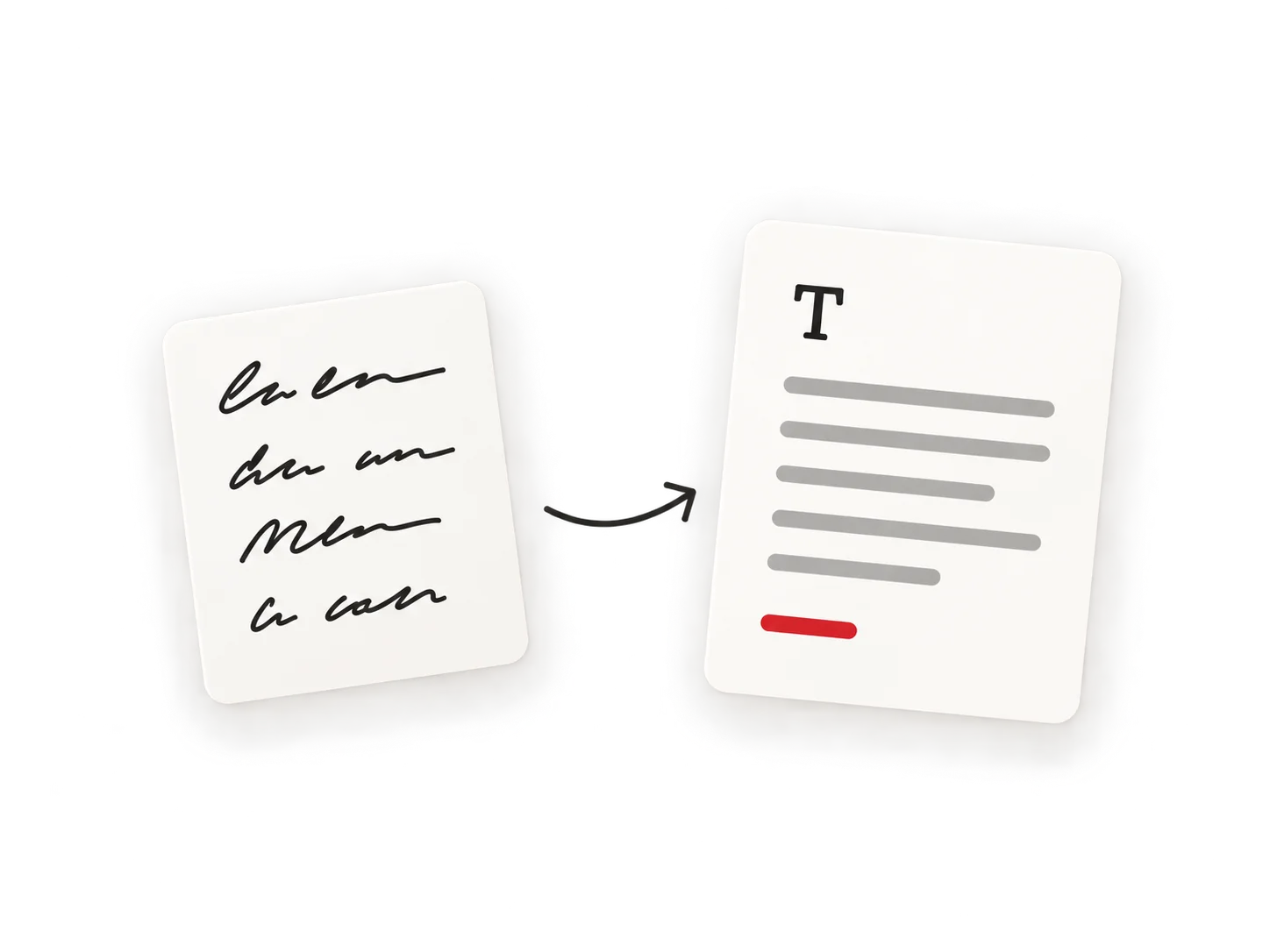
An AI model rewrites what you give it into clinical language and puts it in the order you ask for. It wasn't on the call. If your notes don't say you reassessed vitals after nitro, the narrative shouldn't say so either.
The failure to watch for is invention. Language models fill gaps with details that sound right: lung sounds clear and equal, no trauma noted, patient tolerated transport well. None of that belongs in your narrative unless you checked it. The prompts below make the AI flag gaps instead of filling them, and the review step catches the rest.
Remove these identifiers before you paste anything
Vix's Terms don't allow identifiable patient information, and your agency may not allow AI tools at all. Check its policy first. If it does allow them, de-identify your notes before they leave your hands.
HIPAA's Safe Harbor method lists 18 identifiers to remove. These are the ones that turn up in call notes:
- Names of the patient, family members, bystanders, and the caller.
- Addresses and any location smaller than a state, including cross streets and named businesses.
- Dates tied to the patient, such as date of birth or date of service. Use age instead, and write anyone over 89 as 90 or older.
- Phone numbers, medical record numbers, and incident or run numbers.
- Vehicle identifiers, including license plates from a crash.
- Photos of the patient's face.
- Anything else that points to one person: "the mayor's son" or "the only nursing home on Route 9."
Clinical findings, vitals, medications, and interventions can stay. Add the identifiers back when you move the narrative into your ePCR.
From notes to a signed narrative in six steps
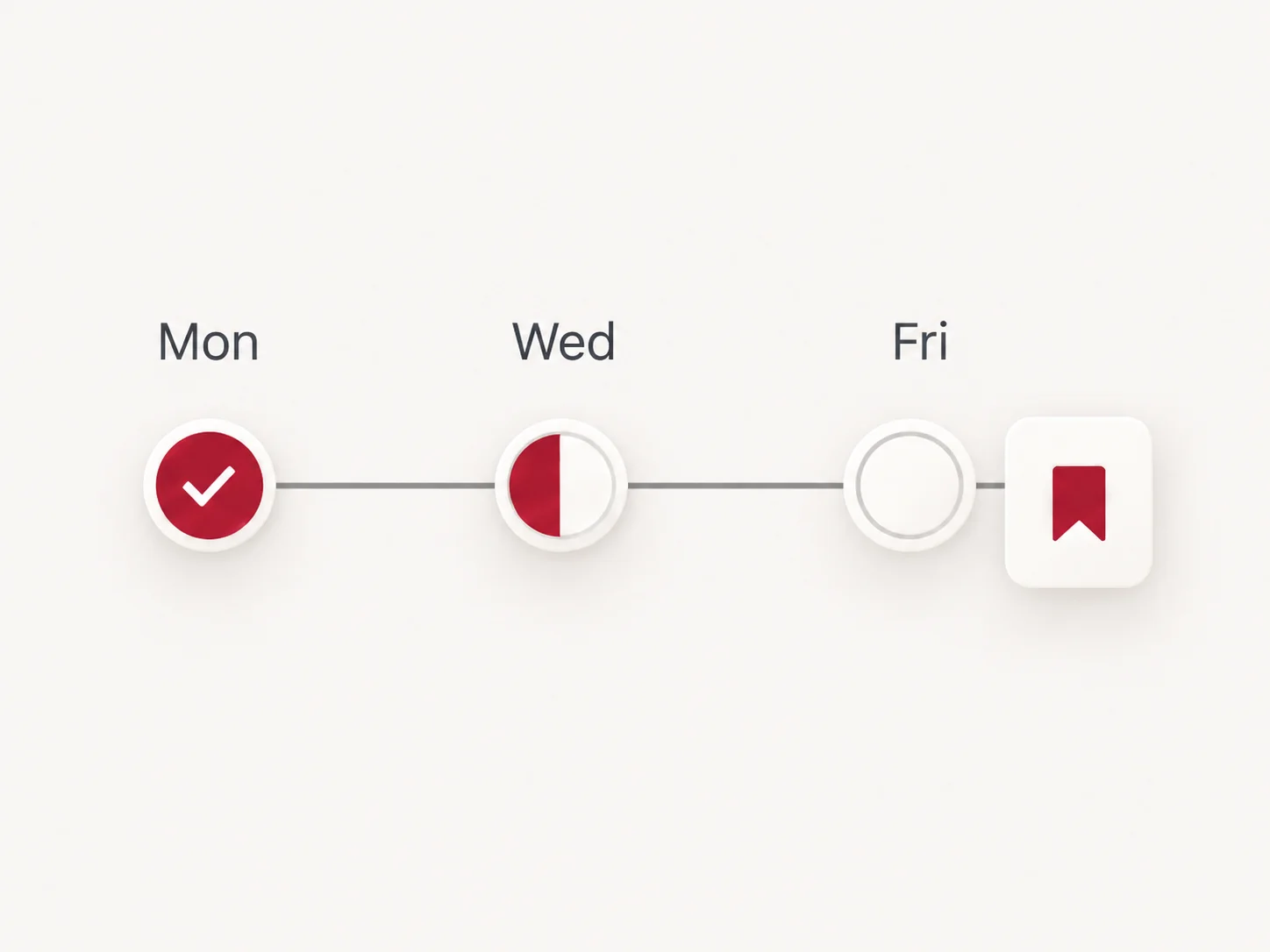
- Write rough notes as soon as you can after the call: findings, vitals, what you did, and how the patient responded.
- Remove the identifiers listed above.
- Paste the notes and name the format your agency uses.
- Ask the AI to list what a reviewer would expect that isn't in your notes. Fill those gaps from memory, or leave them out if you didn't do them.
- Read the draft against the call, sentence by sentence. Delete anything you can't account for.
- Move it into your ePCR, add the patient details back, and sign it.
Write a CHART narrative from these de-identified notes. Use only what's in the notes. Don't add findings, times, or patient responses I didn't write down. After the narrative, list anything a QA reviewer would expect that's missing.
Worked example: rough notes to a CHART narrative
These notes are fictional and contain no identifiers.
67M, CP x45 min, started shoveling snow. pressure 7/10, radiates L arm. hx HTN, high chol. meds lisinopril, atorvastatin. NKDA. A&Ox4, pale, diaphoretic. BP 158/94 HR 102 RR 20 SpO2 95% RA. 12 lead ST elev V1-V4, transmitted, STEMI alert. ASA 324 chewed. NTG 0.4 SL x1, pain 5/10, BP 142/88. IV 18g L AC. emergent to cath-capable hosp, report given, care to ED RN.
C: Chest pressure for approximately 45 minutes, onset while shoveling snow. H: 67-year-old male. Pain described as pressure, rated 7/10, radiating to the left arm. History of hypertension and hyperlipidemia. Medications: lisinopril, atorvastatin. No known drug allergies. A: Alert and oriented x4, pale and diaphoretic. Initial vitals: BP 158/94, HR 102, RR 20, SpO2 95% on room air. 12-lead ECG showed ST elevation in V1–V4; transmitted to the receiving facility and STEMI alert activated. R: Aspirin 324 mg PO, chewed. Nitroglycerin 0.4 mg SL x1; pain decreased to 5/10, repeat BP 142/88. IV access established, 18 g left antecubital. T: Transported emergent to a cath-capable facility. Report given; care transferred to the ED RN.
The draft doesn't mention lung sounds, because the notes didn't. A good prompt gets you a list like this one instead:
- Times for each intervention and each set of vitals.
- Lung sounds and other exam findings.
- Pertinent negatives, such as shortness of breath, nausea, or recent illness.
- Reassessment after aspirin and before arrival.
- How the patient was moved to the stretcher and positioned for transport.
Add what you actually did. If you didn't check something, the narrative stays silent on it.
SOAP vs. CHART vs. chronological
| Format | Order | Works well for |
|---|---|---|
| SOAP | Subjective, Objective, Assessment, Plan | Medical calls and agencies whose ePCR is organized around the assessment |
| CHART | Chief complaint, History, Assessment, Rx (treatment), Transport | A clear record of what you did and where the patient went |
| Chronological | Events in time order with timestamps | Cardiac arrests and long calls with many interventions |
Some agencies extend CHART to DCHARTE, adding dispatch information at the start and exceptions at the end. Use whatever your agency and your QA reviewers expect, and name it in the prompt.
More prompts to try
- "Rewrite this narrative in SOAP. Keep every finding and don't add any."
- "Which sentences in this narrative aren't supported by my notes?"
- "This was a refusal. List what my narrative should document, then check my notes against that list."
- "Shorten this narrative without dropping any intervention, vital sign, or time."
If your agency's documentation policy is in your Vix Library (Starter and Pro), ask Vix to check the draft against it. The answer cites the document it used. More ways crews use Vix are on the Vix for EMS page.